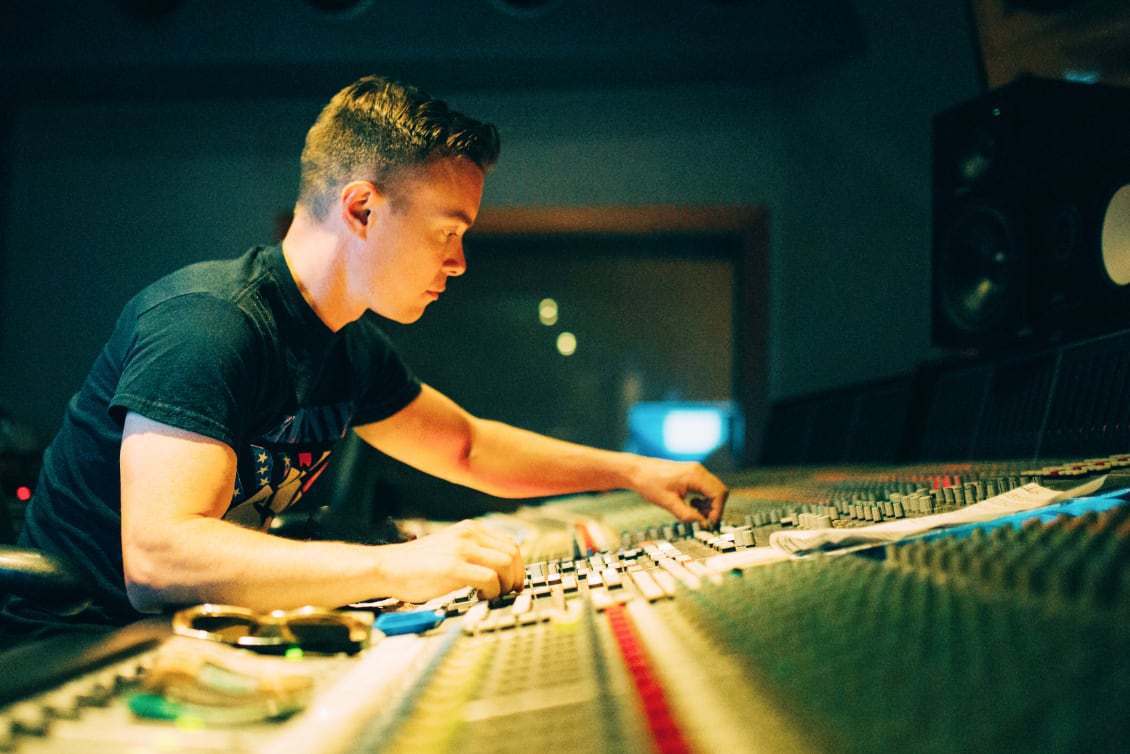
1996
I wanted to rap. Then I discovered I would rather make the music.
In my second-to-last year of high school in 1996, I started a rap group with my classmate Teit and Jon Ørom. We called ourselves USL. Jon had some music equipment, and although it was incredibly expensive at the time, it was essential if you wanted to make music.
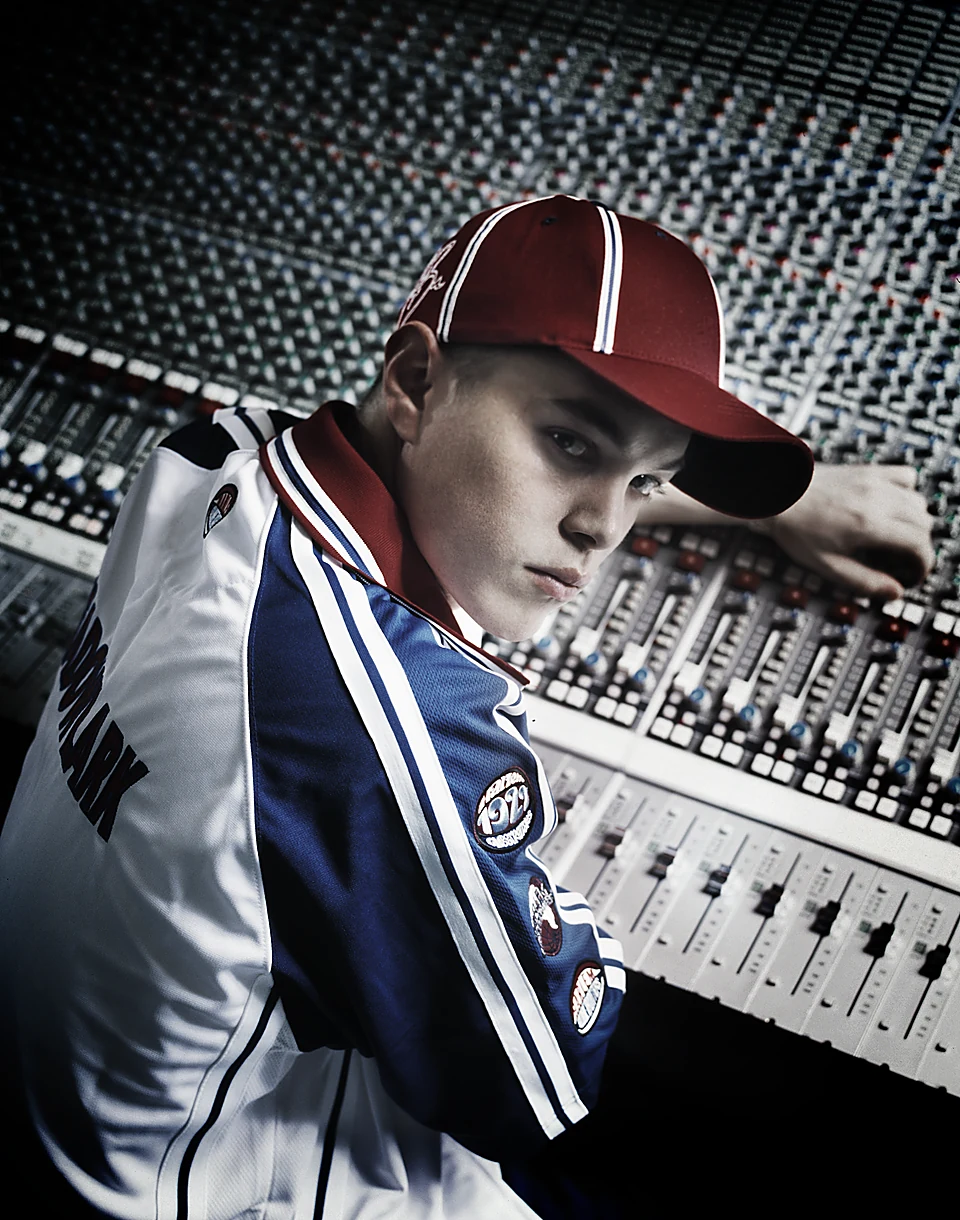
When Teit eventually left, Jon and I carried on. We moved the equipment into a tiny room at Mantziusgården in Birkerød, borrowed money for more gear and made demos. My part-time job at a computer company gave me access to a CD burner. We printed covers, cut them down to fit jewel cases and sold the demos in streetwear shops in Copenhagen.
We played hip-hop jams and worked with other rappers. Along the way, I realised I was more interested in the beat, the production and making another artist sound right than in taking the stage myself.
1998
Four years before the rest of Denmark heard Nik & Jay.
Through the skateboarding scene around Jægersborg, Jon and I met Niclas and Jannik. They went by Bagmændene at the time and wanted to rap. The early songs weren't particularly good, but we quickly became close friends. From 1998, the four of us worked together regularly.
We were fascinated by American R&B and hip-hop around the turn of the millennium, when rap, singing and pop were starting to merge. At the same time, parts of the Danish hip-hop underground felt quite rule-bound to us. We didn't really fit in, and that became an advantage.
Jon and I built the tracks and developed the sound. Niclas and Jannik wrote lyrics, rap verses and choruses. I worked extensively on programming, recording and vocals, with Jon as my close creative partner.
The public story of Nik & Jay began in 2002. For us, it began in 1998.
In the years before the breakthrough, Jon and I worked out of a freezing industrial unit on Skjulhøj Allé in Vanløse. We had almost no money, invested everything in studio equipment and lived at the studio. There was no shower, so we washed at the sink. In winter it was so cold that we taped plastic over the windows to keep the draught out. Niclas and Jannik came almost every day, and “Nik & Jay” was the project we worked on once the paid jobs were done.
2002
The breakthrough came quickly. Recognition did not.
A contact brought the music to EMI, which wanted to sign the four of us for Nik & Jay. We were so excited that we barely negotiated. We signed there and then in the lobby; with no table available, EMI's lawyer turned around and let us use his back as a writing surface. We briefly considered presenting ourselves as a four-piece band, but Jon and I didn't share Niclas and Jannik's desire to be in the spotlight. I suggested that the “band” should simply be called Nik & Jay and that those two should be the faces people saw, even though we were really a group. And that's what we did.
The debut album came out in 2002. Hot! became a huge hit, and the following year Nik & Jay won both Danish Newcomer of the Year and Danish Hit of the Year at the Danish Music Awards. It was the beginning of years of hits, certifications, awards and bigger concerts.
At the same time, the project met considerable scepticism. Parts of the music press and cultural establishment saw Nik & Jay as inauthentic and overly commercial.
The irony for me was that the truth was the opposite. Nobody had put us together, and no record company had designed the sound. We'd spent four years building it ourselves.
2003-07
From the smallest studio to a whole world built around the music.
When money started coming in, we moved from Vanløse to a studio complex on Njalsgade in Islands Brygge in 2003. We started in the smallest room, eventually moved into the largest one and rented an additional studio for Niclas and Jannik.
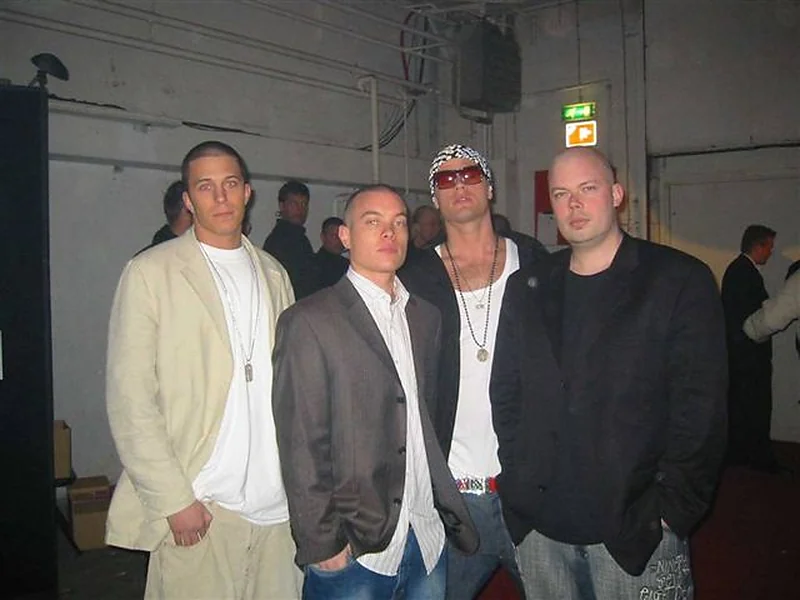
Meanwhile, our work was expanding. EMI gave us Alex's debut project. Later came Joey Moe, who approached us himself and asked for a chance. He became a Nexus artist, and a wider circle grew around him, including Jinks, later known as Ankerstjerne.
By the time we made 3: Fresh-Fri-Fly in 2006, our roles felt almost instinctive. I focused heavily on the music, programming, recordings and vocals. Jon was my close creative partner, while Niclas and Jannik had become much stronger songwriters and performers.
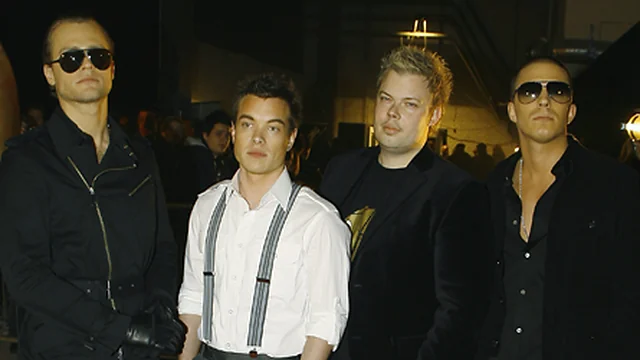
To me, 3: Fresh-Fri-Fly is where the original Nexus sound comes through most clearly.
My role was also starting to change. Jon and I brought in younger producers, gave them opportunities to work on real projects and taught them the way we'd learned ourselves. Puma was one of them. On more releases, Jon and I were now executive producers: assembling teams, developing producers, setting the direction and seeing the production through. Joey switched to singing in Danish, and Yo-Yo was born. It became Denmark's biggest club hit.
At the same time, we bought the former Vestre Borgerdyd School on Helgolandsgade and, together with Bjarke Ingels and his team, built homes and a large studio. Just a few years earlier, Jon and I had lived without a shower in Vanløse. Now we'd built an entire world around the music.
2007-08
I said no to being famous.
Around the launch of X Factor in Denmark, I was asked to be a judge. The invitation came again for several years in a row.
I said no. The format was far removed from my idea of artist development. To me, it isn't primarily about singing other people's songs well. It's about finding an identity, a sound and the right original songs over time.
There was a more personal reason, too. I'd seen up close what intense fame could do to people I cared about. I had no desire to become a recognisable public figure myself.
I'd rather the music became famous than me.
2008-09
Then I wanted to know if it could work beyond Denmark.
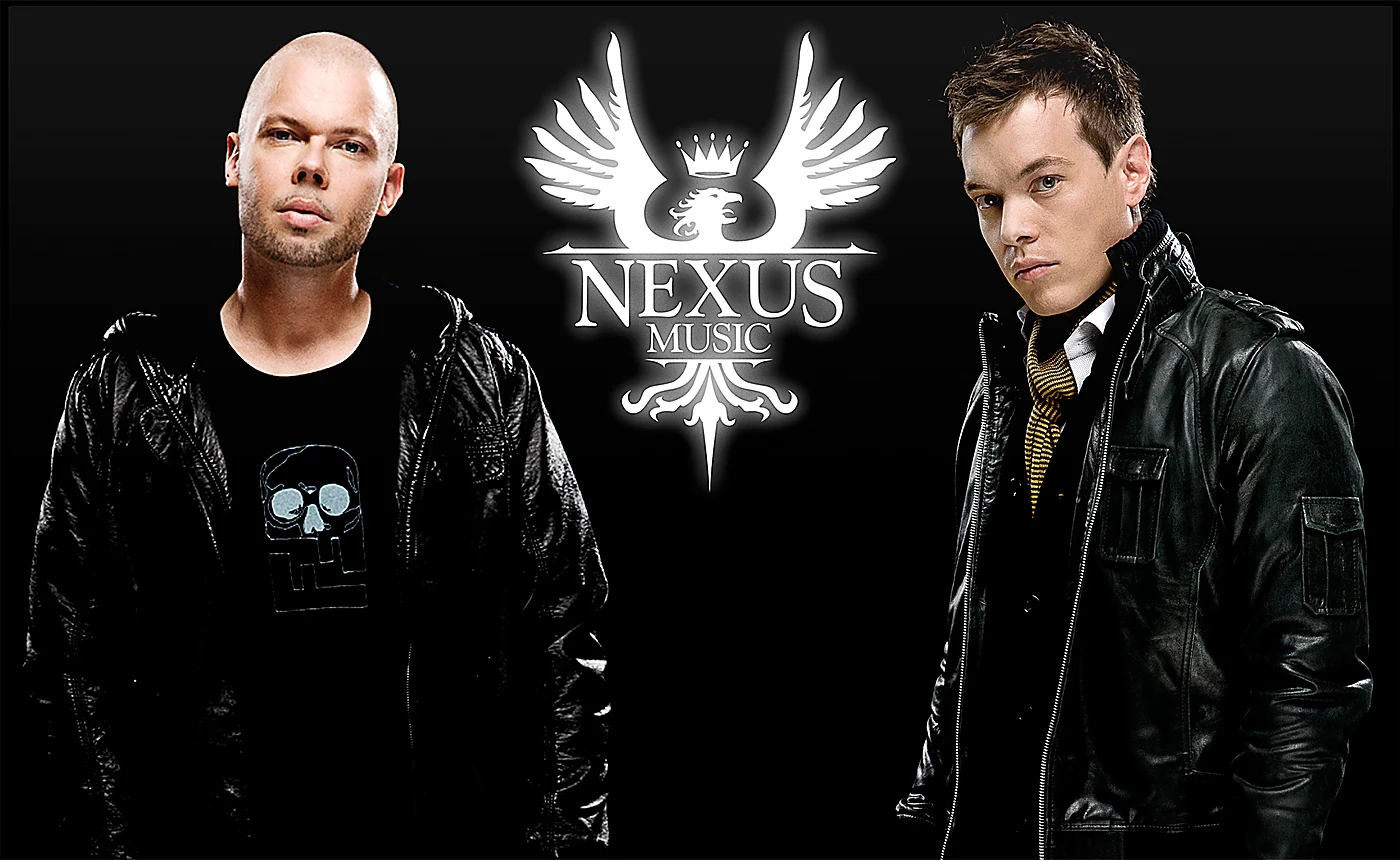
In 2008, Jon and I went to Atlanta and lived there for about a year. Suddenly we were the newcomers in American R&B studios, working in sessions with Usher and Ne-Yo, among others—artists from the world that had inspired us when we developed the Nexus sound.
One tangible result was Forever Ain't Enough on J. Holiday's Round 2, an album that debuted at number four on the Billboard 200. For me, it was the first real proof that what we did could work outside Denmark, too.
Meanwhile, the financial crisis hit our property project in Copenhagen. Roskilde Bank collapsed, and a period that had felt almost unstoppable suddenly became far more complicated.
2010-13
What we'd learned was becoming valuable to other artists.
More established artists began coming to us for the approach we'd developed at Nexus. Sometimes Jon and I wrote and produced the music ourselves. Other times we assembled a team around the artist and took a broader role in creative direction and production.
When Burhan G switched from English to Danish, we became involved in his first Danish-language album. I produced and composed Tættere På Himlen and Søvnløs, while the growing Nexus team also contributed to the hugely successful album, which later reached ten-times platinum.
Clemens and his manager contacted us because he wanted to write more directly and reach a wider audience. We worked on Byen Sover, Ingen Kender Dagen and Tog Det Som En Mand, among other songs.
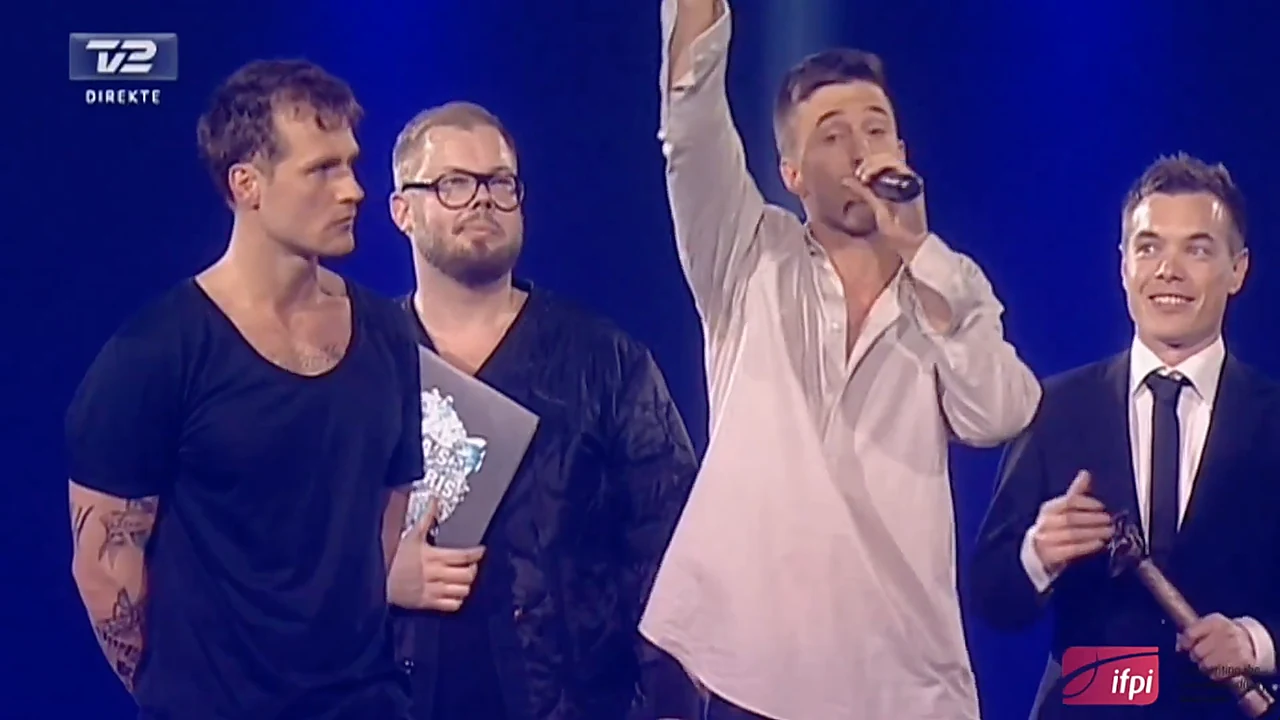
In 2011, Niclas, Jannik, Jon and I stood onstage together when Nik & Jay received IFPI's honorary award. To me, it was a perfect picture of the four people who had built the project together since the late 1990s.
After the album United, our lives and work gradually began to move in different directions. We'd been closely connected since 1998, and eventually it was natural that we wouldn't do everything together anymore.
2014-15
Cisilia showed me the power of a clear process.
Through songwriter Engelina Andrina, I heard Cisilia. She was still very young but had an unusually confident and distinctive voice. It started with some songs that needed the right singer. Very quickly, it became clear that there was an artist there.
Engelina was central to the songwriting and identity. I worked on production, development and the framework around the project, and Thomas Stengaard became an important part of the production as well. We managed the process closely, and that clear division of responsibilities meant the project could move quickly.
Unge Øjne reached number one, and at the 2015 Danish Music Awards, Cisilia won both Danish Hit of the Year for Vi To Datid Nu and Danish Newcomer of the Year. She was the youngest-ever winner at the Danish Music Awards.
After the breakthrough, Cisilia wanted to change the creative process and have more say. That was natural, but from my perspective the project no longer worked once the approach we'd built it around had changed. We therefore decided to stop working together. Shortly afterwards, I moved back to the United States.
2015-20
Back to the United States. This time, on a different scale.
I went first to Atlanta and then to Los Angeles. I didn't just want occasional American cuts. I wanted to try to build relationships, projects and artists there, using some of the same long-term approach I knew from home.
I worked with Raja Kumari and a wide circle of American and international producers and songwriters. One of the projects with the greatest reach was Massari's Done Da Da, which I made with DaHeala, Moon Willis and others. It has since passed 100 million streams.
In Miami, there was a moment that meant a lot to me personally. I worked with Timbaland, one of my biggest production heroes when Jon and I first started shaping the Nexus sound.
Then COVID arrived, and the music scene in Los Angeles shut down almost overnight. I returned to Denmark.
The 2020s
New platforms. Same underlying idea.
Kayo & Kuma was a deliberate experiment in starting with social media. We quickly grew to more than 170,000 Danish followers, and Legender went gold. But the project also taught me that a large reach doesn't automatically translate into a strong music audience.
Svea S became another development project, where I worked as an executive producer and helped build the project and establish its framework.
Asger, who was previously part of Kayo & Kuma, is the next step. Here the identity is much clearer, and I'm once again closely involved in both songwriting and production.
Technology, genres and platforms have changed. I keep coming back to the same thing: finding something early and helping it develop an identity of its own.